
Modern Dentist Enhances Patient Comfort Through Advanced Dental Techniques
A modern approach to dental care focuses on creating a calm, comfortable, and positive experience from the first consultation through every stage of treatment. Advanced techniques help improve accuracy, efficiency, and convenience while supporting healthy, beautiful smiles. A caring dentist in Peoria can combine professional knowledge with modern methods to make each visit feel more relaxed and reassuring.
Comfortable Care Begins With Personalized Attention
Every patient has different goals, preferences, and comfort needs. Personalized care allows treatment to be planned thoughtfully, helping patients feel heard, respected, and confident about their dental experience.
- Individual assessments support treatment plans designed around personal needs.
- Clear explanations help patients understand each recommended procedure.
- Gentle communication creates a more relaxed and welcoming atmosphere.
- Flexible treatment approaches support comfort throughout the visit.
- Regular guidance encourages confidence in maintaining daily oral health.
Advanced Techniques Support Gentle Treatment Experiences
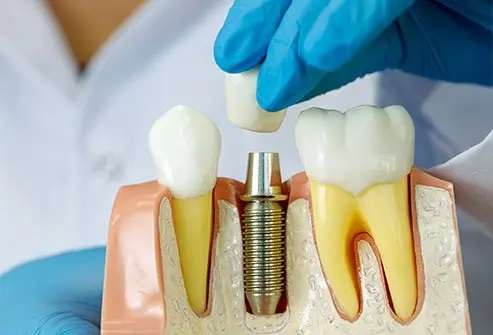
Modern dental techniques are designed to make many procedures more precise, efficient, and comfortable. Careful planning can help reduce unnecessary stress while supporting dependable results for a wide range of smile goals.
- Precise evaluations help professionals identify areas needing focused attention.
- Detailed treatment planning supports efficient and well-organized appointments.
- Gentle approaches can improve comfort during routine and restorative care.
- Advanced methods help create accurate and natural-looking results.
- Improved treatment processes support a smooth experience from beginning to end.
A Relaxed Environment Builds Patient Confidence
Comfort is influenced by more than treatment techniques alone. A welcoming setting, supportive communication, and a patient-centered attitude can help people feel at ease and more confident during every appointment.
- Friendly conversations help create a positive connection with patients.
- Calm surroundings encourage relaxation before and during treatment.
- Step-by-step guidance helps reduce uncertainty about dental procedures.
- Supportive professionals encourage patients to ask questions freely.
- Positive encouragement helps patients feel proud of their oral care progress.
Efficient Appointments Make Dental Care More Convenient
Modern techniques can also improve the overall flow of dental visits. Organized procedures and careful preparation help make appointments productive while respecting each patient’s time and comfort.
- Streamlined planning helps make treatment visits more convenient.
- Efficient procedures support smooth transitions between treatment stages.
- Focused care can reduce unnecessary waiting and repeated steps.
- Clear aftercare instructions help patients continue progress confidently.
- Convenient scheduling supports regular visits and long-term oral wellness.
Modern Dentistry Supports Lasting Smile Confidence
Advanced dental techniques bring together comfort, precision, and personalized attention to create a positive patient experience. By focusing on gentle care and thoughtful treatment planning, modern dentistry helps patients feel supported while working toward stronger oral health and attractive smiles.
A comfortable dental experience can encourage regular care, strengthen trust, and help patients maintain healthy habits for years to come. With skilled attention and advanced treatment approaches, every visit can become a positive step toward a confident, healthy, and beautiful smile.
